
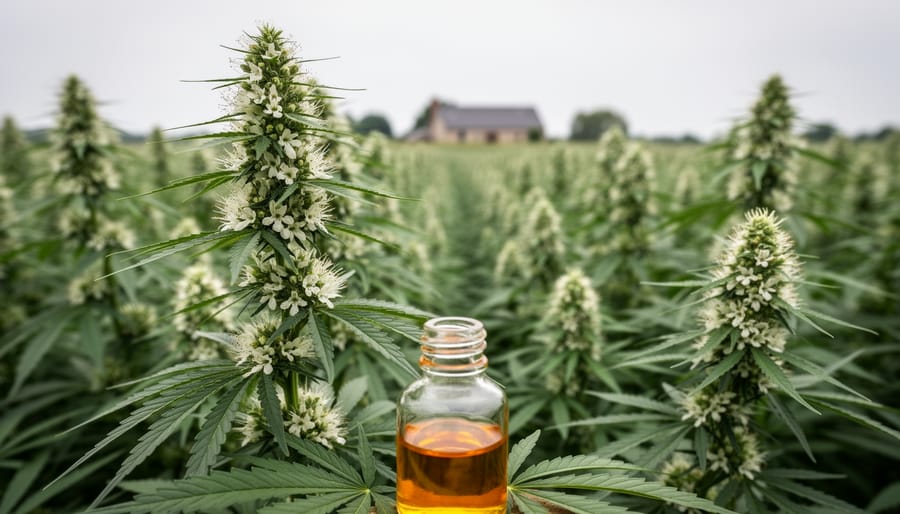
Hemp-derived CBD is federally legal in the United States when extracted from cannabis plants containing no more than 0.3% delta-9 THC by dry weight, but that baseline legality comes with significant restrictions on how it can be marketed and sold. While the 2018 Farm Bill removed hemp from the Controlled Substances Act, the Food and Drug Administration has determined that CBD cannot be sold as a dietary supplement and maintains active enforcement against products making unverified health claims. This creates a complex legal landscape where Exhale Wellness cannabinoid products and similar offerings can exist in the marketplace, yet remain subject to federal oversight and state-specific regulations that vary widely across the country.
The practical reality is that CBD’s legal status depends on three factors: the source plant’s THC content, how the product is marketed, and where you live. Federal law provides the foundation, defining hemp as any cannabis plant material with 0.3% THC or less. The FDA, through its Cannabis Product Committee, develops cross-agency policy for cannabis regulation and continues to coordinate with state authorities to take action against CBD products that violate federal standards. State laws add another layer of complexity. Tennessee, for example, implemented comprehensive new restrictions on January 1, 2026, covering production, sale, age requirements, and licensing through the Alcoholic Beverage Commission.
Understanding these legal facts matters whether you’re a consumer preparing to purchase CBD or simply trying to determine what’s permitted in your state. The following sections break down federal regulations, FDA restrictions, state law variations, and practical guidance for navigating this evolving legal framework.
The Federal Legal Foundation for Hemp-Derived CBD
What the 0.3% THC Threshold Really Means
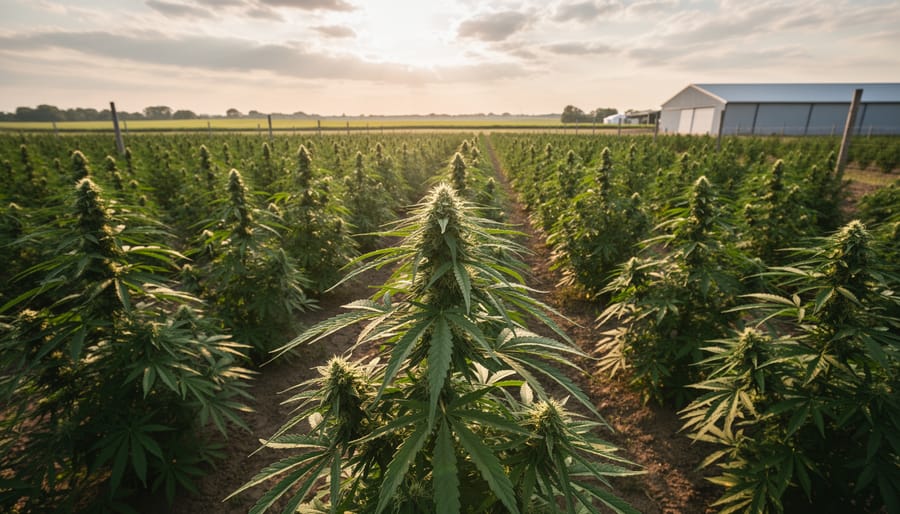
The 0.3% threshold refers to delta-9 tetrahydrocannabinol concentration measured against the plant material’s dry weight, as established in the 7 U.S.C. hemp definition. Dry weight excludes moisture, meaning manufacturers test the cannabis material after it’s been dried to a consistent moisture level. This standardized measurement method ensures fair comparison across different batches and products.
Why does this particular number matter? The 0.3% cutoff creates a clear legal line between hemp and marijuana under federal law. A plant with 0.29% THC qualifies as legal hemp; the same plant testing at 0.31% becomes federally controlled marijuana. For manufacturers, staying under this threshold determines whether their entire operation is legal or criminal under federal law.
The dry weight THC measurement process requires specific laboratory procedures to ensure accuracy. Small variations in THC content can occur naturally within a single plant, which is why proper testing protocols matter. A hemp crop that tests slightly above the threshold must be destroyed, even if the farmer followed all regulations.
For consumers, this threshold explains why legitimate hemp-derived CBD products contain trace amounts of THC rather than zero. The law doesn’t require THC-free products; it requires products derived from plants under the 0.3% limit. You’re buying CBD extracted from legally defined hemp, not necessarily THC-free cannabis.
Hemp vs. Marijuana: Understanding the Legal Distinction
The distinction between hemp and marijuana isn’t botanical, it’s purely legal and based on a single number. Both come from the same plant species, Cannabis sativa. Whether your cannabis plant is classified as legal hemp or federally controlled marijuana depends entirely on its delta-9 THC concentration.
If the plant contains 0.3% delta-9 THC or less by dry weight, federal law considers it hemp. One-tenth of a percent higher, and that identical plant becomes marijuana, subject to federal prohibition and state-specific regulations. This arbitrary threshold creates the entire legal framework that allows hemp-derived CBD products to exist in commerce.
For consumers, this distinction matters significantly. CBD extracted from legally defined hemp can be sold across state lines and manufactured into various products, though with the FDA restrictions discussed elsewhere in this article. CBD derived from marijuana, the same compound from a chemically similar plant, falls under different regulations entirely. In states with legal cannabis programs, marijuana-derived CBD products typically require purchase through licensed dispensaries and may demand medical marijuana 101 certification or adherence to adult-use regulations.
The practical effect: hemp-derived CBD has broader legal access, while marijuana-derived CBD faces tighter state-level controls despite being chemically equivalent. This legal split, arbitrary as it seems, determines where you can buy CBD, how it’s regulated, and what restrictions apply to the product in your hands.
FDA Regulation: The Catch in CBD’s Legal Status
Why You Won’t Find CBD Listed as a Dietary Supplement
The FDA’s stance on CBD as a dietary supplement stems from a specific legal principle: ingredients that have been approved as drugs cannot also be marketed as dietary supplements. Because the agency approved Epidiolex, a CBD-based prescription medication for treating seizures, in 2018, this drug approval effectively closed the door on classifying CBD as a dietary supplement under current regulations.
This distinction matters more than it might seem at first glance. Dietary supplements fall under the Dietary Supplement Health and Education Act, which sets standards for labeling, manufacturing, and health claims. CBD products, lacking this classification, exist in a regulatory gray zone where they can be sold but cannot make certain types of health claims or follow the established pathways that vitamins, minerals, and herbal supplements use to reach consumers.
The FDA has stated clearly that it will not allow CBD to be sold as a dietary supplement unless the agency promulgates regulations concluding otherwise. This means the current prohibition stands until the FDA develops new rules specifically addressing CBD’s status. The agency’s Cannabis Product Committee continues to develop cross-agency strategy and policy for regulating cannabis products, but no timeline exists for when or whether those regulations might change CBD’s classification.
For consumers, this creates a practical challenge. You’ll find CBD products on store shelves, but they won’t carry the “dietary supplement” label that signals FDA-recognized status, and manufacturers face strict limitations on what health benefits they can claim their products provide.
The FDA’s Enforcement Approach
The FDA employs a targeted enforcement strategy rather than attempting to police every CBD product on the market. The agency prioritizes cases involving the most serious risks to public health: products marketed with unproven medical claims, those containing dangerous contaminants, or items sold in ways that could threaten vulnerable populations like children. Through its FDA warning letters enforcement program, the agency publicly documents violations and requires companies to correct illegal marketing or safety issues.
When the FDA identifies violations, it coordinates with state regulatory authorities to maximize impact. State agencies often have more boots on the ground and can conduct retail inspections that the federal agency cannot manage alone. This partnership approach means a company facing FDA scrutiny may also trigger state-level enforcement actions, including fines, product seizures, or license revocations.
The FDA’s warnings frequently target specific product categories that raise heightened concerns. Companies selling CBD products with therapeutic disease claims, such as cancer treatment or pain relief, without FDA approval draw particular attention. Products combining CBD with other ingredients that create safety questions, or those using delivery methods that lack established safety data like CBD vaping facts show, also face increased scrutiny.
For consumers, this enforcement pattern offers a practical signal: if a CBD product makes bold health claims or seems too good to be true, it likely violates current regulations and may not deliver what it promises.
State Laws Create a Patchwork of Hemp-Derived CBD Regulations
Tennessee’s 2026 Hemp Regulations as a Case Study
Tennessee’s regulatory framework illustrates how states can layer comprehensive oversight onto the federal hemp foundation. On January 1, 2026, Tennessee implemented new restrictions that transform a simple federal definition into a detailed state-controlled market. The regulations reach far beyond basic legality, establishing specific rules for production, sale, transfer, storage, and transportation of hemp-derived products.
The Tennessee Alcoholic Beverage Commission now oversees hemp regulation through both statutes and operating rules, requiring licenses for businesses handling hemp products. Retailers selling CBD skincare tinctures, or other hemp-derived items must navigate a licensing system similar to alcohol sales. The state imposed age restrictions on purchases, mandatory taxes and fees that didn’t exist under federal law alone, and established penalties for violations that can include fines or criminal charges depending on the infraction.
This framework shows how a state can accept the federal 0.3% THC threshold while building an entire regulatory apparatus around it. Tennessee didn’t ban hemp-derived CBD, but created guardrails that affect every stage from cultivation to consumer purchase. A manufacturer shipping compliant products across state lines faces different requirements when those products enter Tennessee versus neighboring states with lighter oversight.
The Tennessee model matters for consumers nationwide because it represents a trend toward state-level control. When you research whether CBD is legal where you live, the federal answer is only the starting point. Your state may require licensed sellers, restrict sales locations, mandate specific labeling, or impose taxes that make products more expensive than in states with minimal regulation.
What Consumers Need to Know Before Buying Hemp-Derived CBD
Questions to Ask Before Making a Purchase
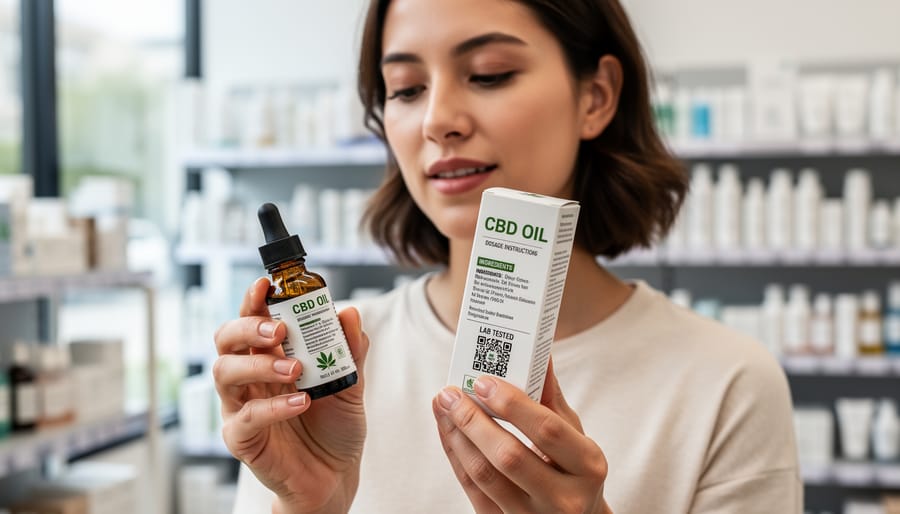
Before purchasing hemp-derived CBD, asking the right questions helps ensure you get a safe, legal product. Start by asking the retailer if they can provide a certificate of analysis (COA) from an independent, third-party lab. This document should confirm the product’s CBD content and verify that delta-9 THC levels stay below the federal 0.3% threshold. Reputable sellers make these test results readily available, either on their website or in-store.
Ask whether the product complies with your state’s specific hemp regulations. Since laws vary by location, a product that’s legal in one state may not meet requirements where you live. For example, some states have implemented their own licensing, age restrictions, or testing standards beyond federal requirements. Verify that the retailer holds any necessary state licenses to sell CBD products legally.
Inquire about the product’s intended use and how it’s classified. Since FDA restrictions prevent CBD from being sold as a dietary supplement, understanding how the manufacturer categorizes the product matters for legal compliance. Ask about recommended serving sizes and how to take CBD safely, especially if you’re new to these products.
Finally, ask where and how the hemp was grown. Products derived from hemp grown under controlled, regulated conditions with proper oversight typically offer more reliability than those from unknown sources. Don’t hesitate to walk away if a retailer can’t or won’t answer these questions clearly.
The Risk of Non-Compliant Products
The CBD market’s rapid growth has outpaced regulatory oversight, creating opportunities for non-compliant products to reach consumers. Some manufacturers cut corners on testing, mislabel THC content, or use hemp that exceeds the legal 0.3% delta-9 THC threshold. Others make unverified health claims that violate FDA guidelines or fail to obtain required state licenses.
The consequences of buying non-compliant products extend beyond legal concerns. Products with THC levels above the federal limit could trigger positive drug tests, affecting employment or legal status. Mislabeled items might contain harmful contaminants like pesticides, heavy metals, or residual solvents that weren’t disclosed or tested for. Some products advertised as CBD have been found to contain little or no CBD at all.
The FDA monitors the CBD market and coordinates with state authorities to identify and remove problematic products. Enforcement actions typically target companies making egregious health claims, selling products with dangerous contaminants, or consistently mislabeling THC content. These actions serve a protective function, removing products that pose genuine health risks or deceive consumers about what they’re purchasing.
Recent state-level regulations, like Tennessee’s 2026 framework requiring licensure and establishing penalties for violations, aim to reduce the number of non-compliant products by holding sellers accountable. These enforcement mechanisms create incentives for manufacturers and retailers to invest in proper testing and transparent labeling. When you buy from sources that comply with both federal and state requirements, you’re not just avoiding legal risk, you’re choosing products more likely to contain what the label promises.
Hemp-derived CBD occupies a unique legal space that confuses many consumers. At the federal level, it’s legal as long as it contains no more than 0.3% delta-9 THC by dry weight. This threshold, established in federal law, created the framework that allowed CBD products to enter mainstream markets.
However, federal legality doesn’t tell the whole story. The FDA maintains restrictions that limit how CBD can be sold, most notably prohibiting its sale as a dietary supplement. The agency’s Cannabis Product Committee continues developing regulatory strategy, and enforcement actions target products making unverified health claims or violating labeling requirements.
State regulations add another layer of complexity. Tennessee’s comprehensive framework that took effect January 1, 2026, demonstrates how states can impose detailed requirements on production, sale, licensing, and age restrictions. Other states have enacted their own rules, creating a patchwork of regulations across the country.
Before purchasing hemp-derived CBD, check both federal guidelines and your state’s specific laws. Look for products from manufacturers who provide transparent third-party lab testing results that verify THC content and confirm compliance with the 0.3% threshold. Ask retailers about their sources and whether products meet local requirements.
The legal landscape for hemp-derived CBD continues evolving. Staying informed about both federal oversight and state-level regulations helps you make purchasing decisions that align with current law. Choosing reputable sources with verified testing isn’t just about quality, it’s about ensuring the products you buy are legally compliant where you live.

